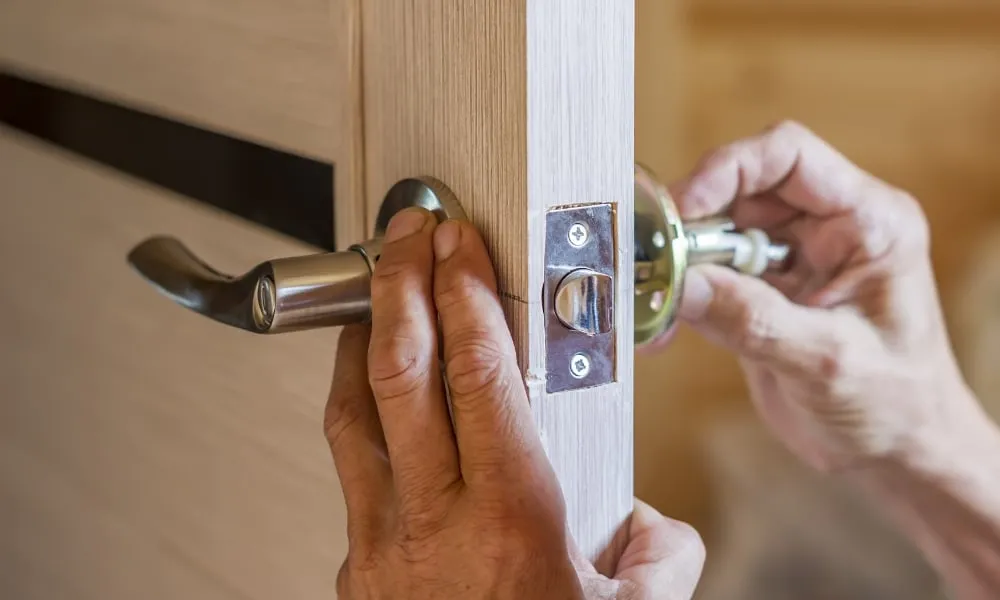
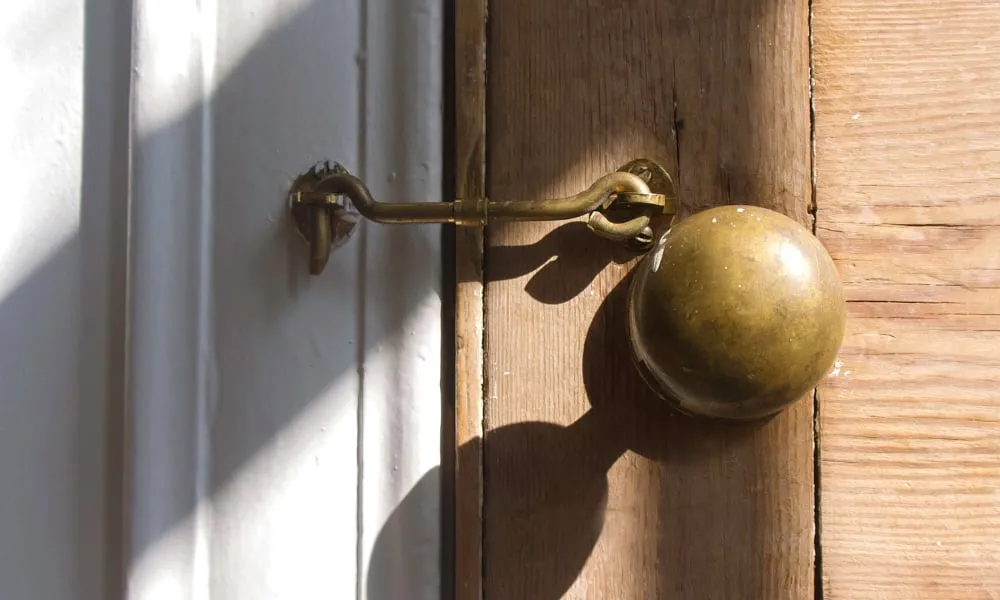
Older homes across Newcastle have plenty of charm, but their ageing locks often tell a different story. From everyday wear and tear to the effects of coastal living, these security issues tend to pop up when you least expect them. This article walks through the most common lock problems homeowners face and offers simple, practical fixes to keep your property secure and functioning smoothly.
Stiff and Hard-to-Turn Deadbolts
Deadbolts in older homes often become stiff over time. This usually happens because internal components dry out, collect dust, or wear down gradually. If you find yourself having to lean your shoulder into the door just to lock it, the mechanism likely needs lubrication or minor adjustment.
Sometimes the deadbolt doesn’t fully extend because the door has shifted in its frame, which is a common issue in older timber structures. A quick test is to try locking the door while it’s slightly ajar. If it turns freely, the problem is alignment rather than the lock itself.
Misaligned Latches and Door Frames
Seasonal humidity, foundation settling, and decades of use can cause doors to move slightly out of square. Even a few millimetres of shift can prevent a latch from lining up properly with the strike plate, making the door difficult to close or lock.
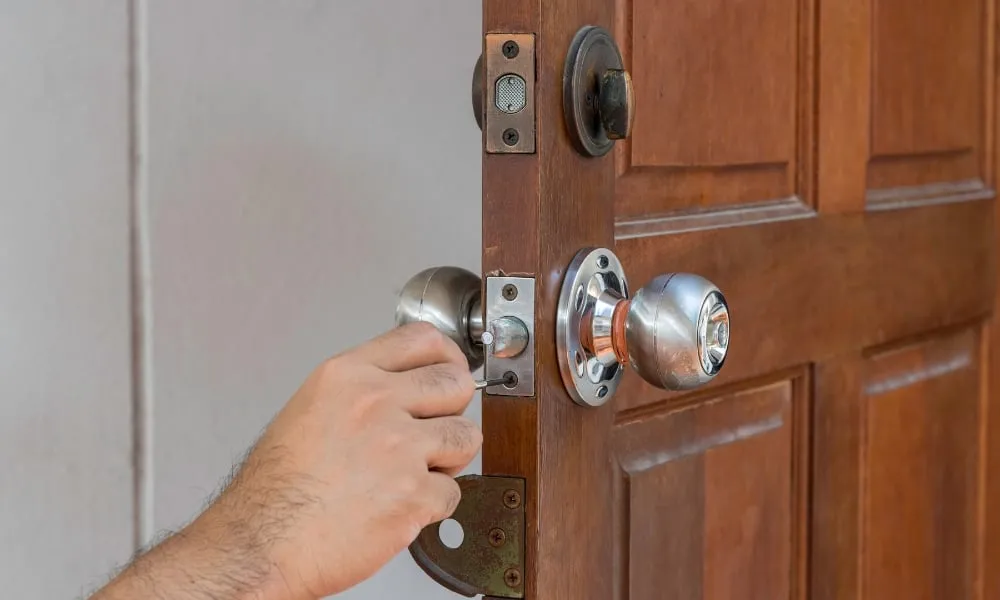
A simple fix is to tighten the door’s hinges, which often pull loose over time. If that doesn’t solve it, adjusting or filing the strike plate may help the latch meet its target. In more stubborn cases, minor carpentry may be needed to restore proper alignment.
Worn Keys and Ageing Internal Components
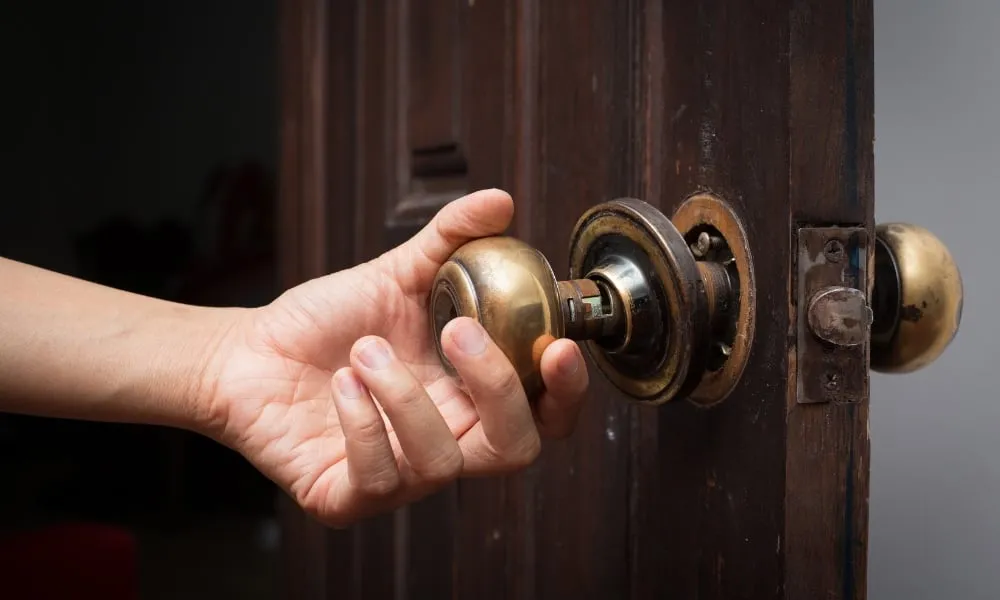
Keys wear out much faster than most people realise. If your key has become thin, bent, or jagged, it might not lift the internal pins the way it should. This can cause sticking, partial turns, or complete failure to unlock the door.
The internal parts of older locks also degrade with age. Springs weaken, pins become uneven, and cylinders loosen. When a key starts feeling “gritty” or you notice it occasionally slipping, it’s often a sign that both the key and the lock need attention. Recutting a fresh key from the original pattern, rather than copying a worn key, usually solves early-stage issues.
Salt-Air Corrosion in Coastal Suburbs
Newcastle’s coastal environment brings salty breezes that accelerate corrosion on exposed lock hardware. Over time, this results in rusted components, discoloured metal, and locks that turn sluggishly or seize completely.
Regular cleaning and lubrication are essential for coastal homes. A silicone-based spray can reduce internal corrosion, while replacing steel hardware with stainless or brass components provides better long-term protection. For locks already showing significant deterioration, a professional inspection is the safest option.
When DIY Isn’t Enough
While many basic lock issues can be managed at home, some situations require specialised help. Sticking deadbolts, persistent latch misalignment, and locks affected by rust often indicate deeper internal damage. Calling a professional locksmith ensures the mechanisms are properly assessed, repaired, or replaced before they fail entirely.
Newcastle homeowners dealing with long-term wear, or the extra strain from coastal living, often benefit from expert servicing. A reliable locksmith in Newcastle can quickly diagnose problems that aren’t visible on the surface and recommend durable, modern solutions that keep the character of your older home intact.
A Trusted Local Solution
Whether you’re dealing with a stubborn deadbolt or corrosion from salt air, professional assistance can restore both convenience and safety. In older Newcastle homes, it’s especially valuable to have an experienced local team assess and maintain your locks. For dependable repairs, upgrades, and maintenance, Lock & Shield Locksmiths offers the kind of specialised help that keeps homes secure for the long term.
FAQs
What causes deadbolts to become stiff?
Often dirt, lack of lubrication, or door-frame movement makes deadbolts hard to turn.
Why won’t my door latch line up anymore?
Humidity, foundation shifts, or loose hinges can cause the door to sit unevenly.
Can worn keys damage a lock?
Yes. Worn keys can misalign pins and strain internal components over time.
How does coastal air affect locks?
Salt air causes corrosion, rust, and stiffness, especially on older metal hardware.
When should I call a locksmith?
If alignment adjustments don’t work, corrosion is visible, or the lock fails repeatedly, professional help is recommended.