Moving into a new home is one of those times when the to-do list feels endless. Unpacking, redirecting mail, getting the internet connected it all competes for attention. Changing the locks tends to slip down the list or gets skipped entirely.
It shouldn’t. Here’s why.
You Don’t Know Who Still Has a Key
When you take possession of a property, you get the keys handed over at settlement. What you don’t get is a complete list of everyone who has held those keys before you.
Previous owners, tenants, tradespeople, cleaners and real estate staff have all potentially had access at some point. Agencies do their best to collect keys, but there’s no practical way to account for every copy made over the life of a property. Keys for open houses, inspections and contractor access get cut and re-cut over years, sometimes without any record at all.
If the home, you’re moving into was a rental, the picture gets messier. Multiple tenancies mean multiple sets of people with potential access. Even with the best intentions, an agency can’t guarantee every copy has been returned.
Changing the locks removes that uncertainty completely. From that point on, only the people you’ve given keys to can get in.
Old Locks Are a Real Security Problem
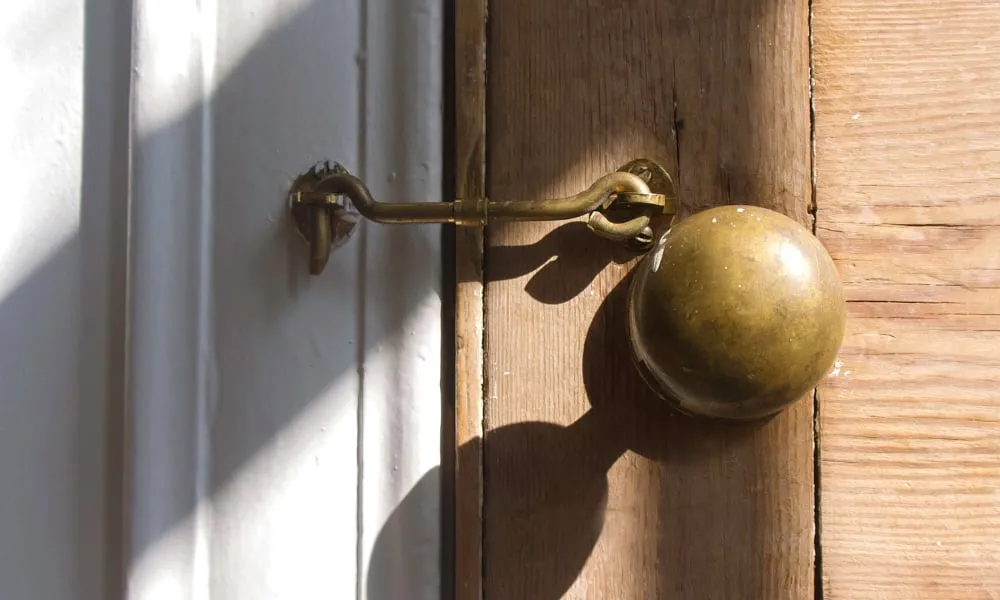
A lock that’s been in place for ten or twenty years might look fine from the outside. Internally, it’s often a different story. Wear and corrosion affect how the mechanism functions, and older lock designs are generally easier to pick or bypass than modern alternatives.
There’s also an insurance angle worth knowing about. If a break-in occurs and your insurer finds the locks didn’t meet current security standards, your claim may not be fully covered. It’s not a common scenario, but it’s an avoidable one.
Beyond security, worn locks cause everyday frustrations. Keys that stick, cylinders that grind, doors that don’t close cleanly these things get old quickly. New hardware fixes the security problem and the daily annoyance at the same time.
Rekeying vs. Replacing: What’s the Difference?
You don’t always need brand-new locks. Rekeying is a faster, cheaper option that updates the lock’s internal mechanism so old keys stop working – the hardware stays in place, but anyone holding a previous key can no longer use it.
Rekeying makes sense when the lock itself is in good condition. It’s particularly useful if you’ve moved into a well-maintained property with quality hardware that just needs the access reset.
Replacement is the better call when locks are old, damaged, or were never high-quality to begin with. Modern lock systems are physically stronger, use better materials, and come with options like restricted key systems – where copies can only be cut through an authorised locksmith or smart lock technology if you want keyless entry.
Standardising your locks is also worth thinking about at this point. A single key that opens the front door, back door and garage is far more practical than carrying a separate key for every entry point.
Getting It Done Properly
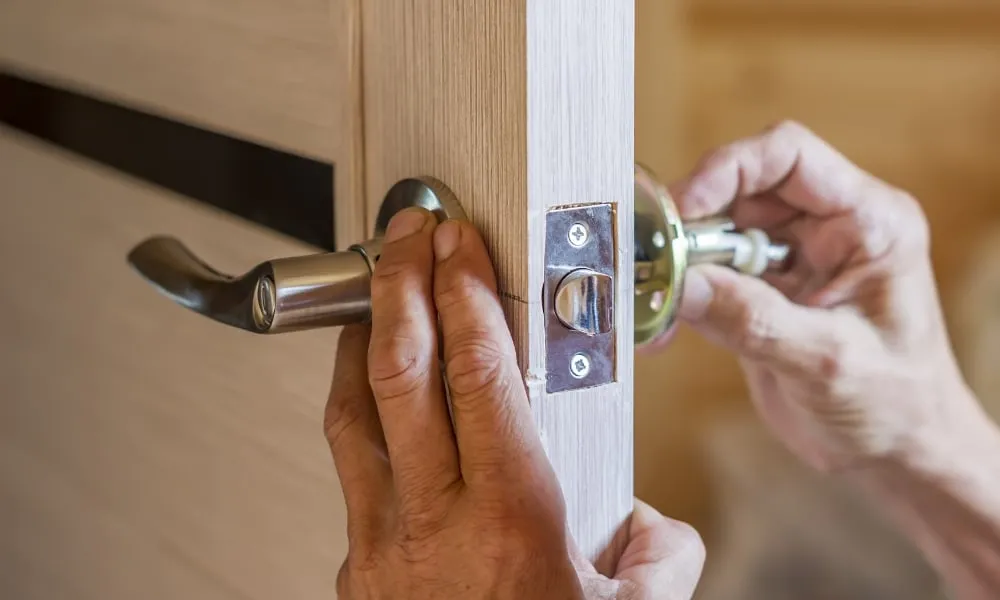
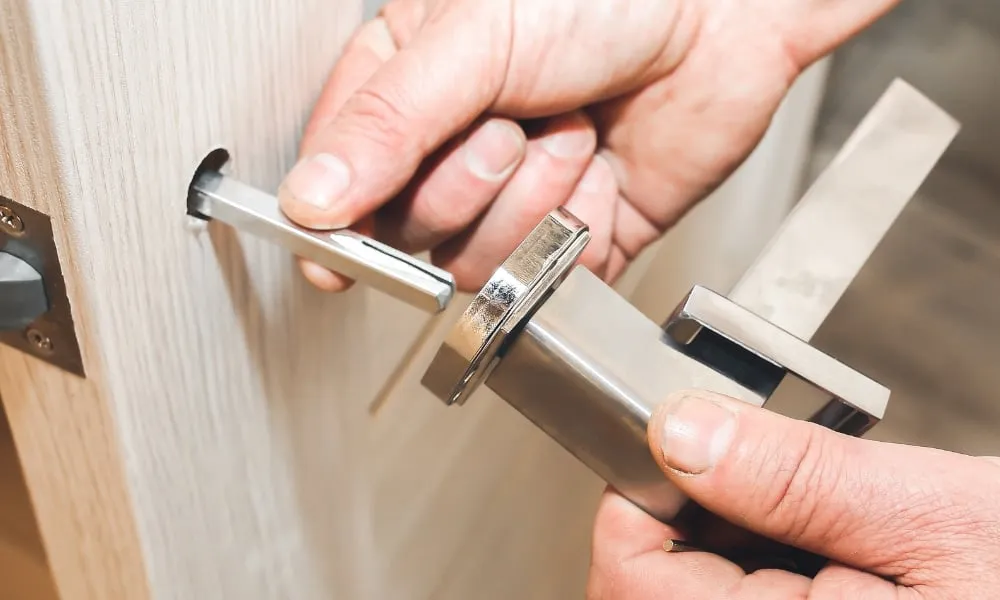
It’s possible to swap a lock yourself, but getting the installation wrong creates its own problems – gaps in the fit, misaligned latches, or hardware that looks fine but doesn’t function as it should. A locksmith assesses what you have, recommends what’s appropriate, and fits it correctly.
For homeowners in Newcastle, Ambassador Locksmiths are a local option worth calling. They handle rekeying, new lock installation and security assessments – if you want someone to look at the whole property and identify any weak points, that’s the kind of job their residential locksmith service covers.
Getting it sorted in the first week means you can stop thinking about it and get on with settling in.
FAQs
Do I need to change my locks immediately after moving?
As soon as practical, yes. It removes any uncertainty about who still has access and gives you full control over your home from the start.
Is rekeying enough, or do I need new locks?
Rekeying is fine if the lock is in good condition. If the hardware is old, worn or was never particularly secure, replacement is the better option.
Can a real estate agency guarantee all keys have been returned?
Not reliably. Keys can be copied at any point during a tenancy or sale process, and there’s no way to track every copy. Changing the locks is the only way to be certain.
Are old locks a security risk?
Yes. Worn mechanisms are easier to bypass, and older designs often don’t meet current standards – which can affect your home insurance if something goes wrong.
Why hire a locksmith rather than doing it yourself?
A professional can assess what you have, recommend the right solution, and fit it correctly. It also means you’re not guessing about whether the job’s been done properly.