Smart locks have become far more common across Australian homes over the last few years. You see them advertised to ditch keys, manage access from your phone, and feel more in control of home security. For some households, they genuinely make life easier. For others, they can introduce new frustrations that traditional locks simply do not have.
If you are weighing up a smart lock for your front door, it helps to look past the marketing and focus on how they perform day to day. This guide walks through the real pros, the limitations, battery concerns, guest access features, and situations where old fashioned locks still come out on top. The aim is to help you decide if a smart lock fits your household, not to sell the idea blindly.
What is a Smart Lock in Practical Terms
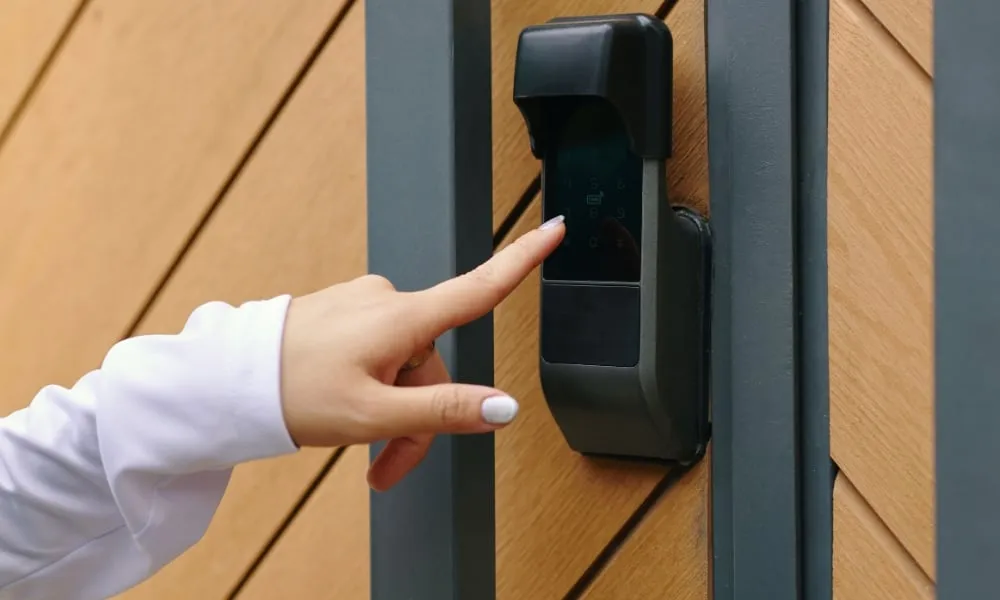
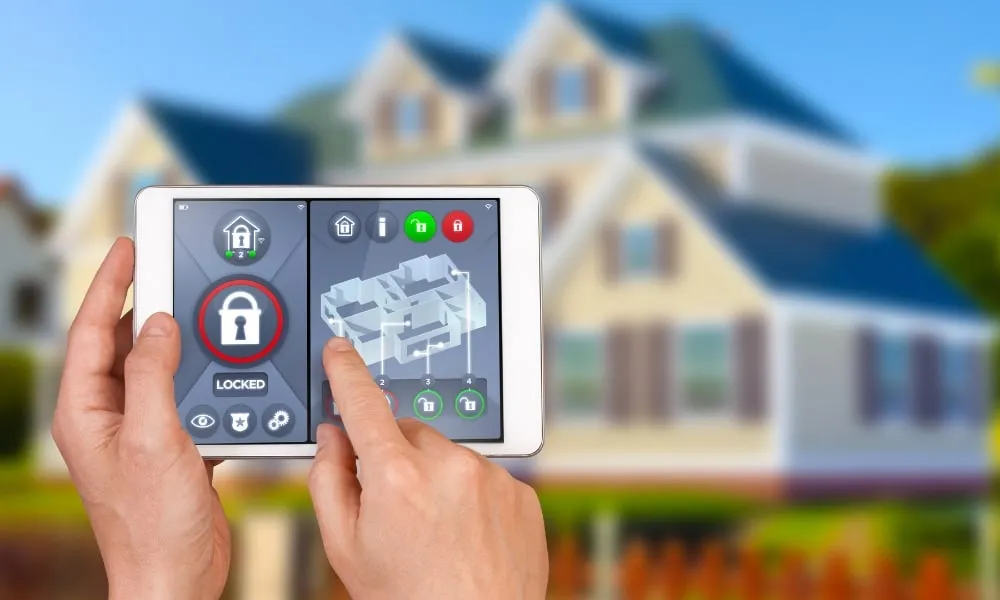
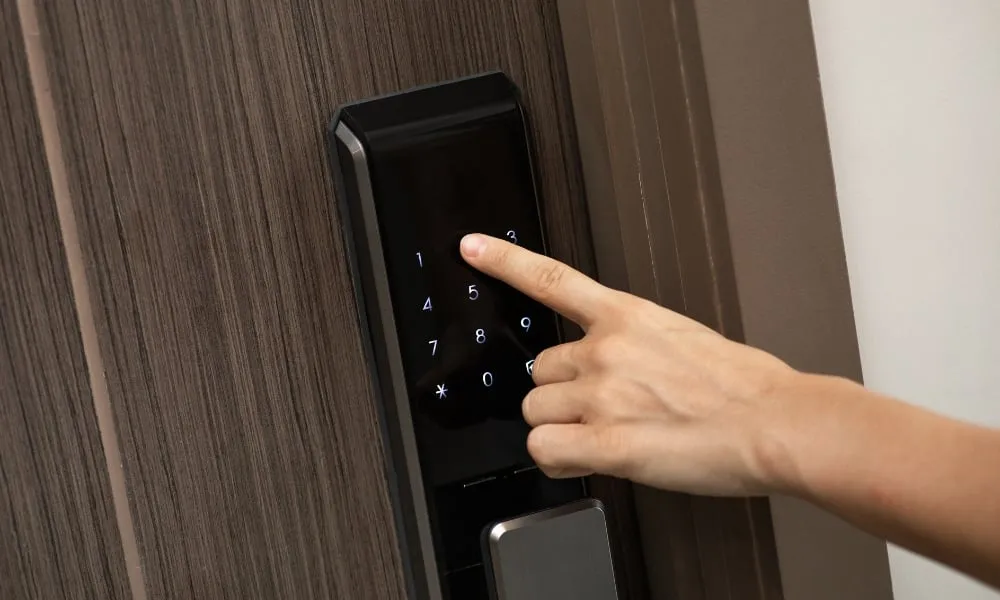
A smart lock replaces or works alongside your existing door lock. Instead of relying only on a physical key, it can be opened using a phone app, keypad, fingerprint scanner, key fob, or a mix of these options. Many models also allow remote access, meaning you can lock or unlock the door even when you are not home.
Some smart locks fully replace the lock hardware, while others sit over an existing deadbolt on the inside of the door. The difference matters when it comes to installation, reliability, and how secure the system feels in everyday use.
The Everyday Benefits Australian Households Notice First
No more spare keys
One of the biggest selling points is not needing to hide spare keys or worry about who has copies. For busy households, especially families with teenagers or shift workers, this alone can feel like a major improvement.
You can head out for a walk, a surf, or a school run without pockets full of keys. If someone forgets their access method, you can let them in remotely instead of rushing home.
Easier access for guests and trades
Smart locks shine when it comes to guest access. Instead of lending out keys that may never come back, you can create temporary codes for visitors, cleaners, dog walkers, or tradies.
These codes can be set to work only during certain hours or days. Once the job is done, access can be removed in seconds. This is especially helpful for households that regularly host visitors or manage short stays.
Activity tracking adds peace of mind
Many smart locks log when the door is locked and unlocked. While not everyone checks this daily, it can be reassuring to glance at the app and see that the kids arrived home safely or that the house was locked after a cleaner left.
This feature appeals to households that like having a clear picture of what is happening at their front door without turning it into a surveillance setup.
The Limitations that Often Get Overlooked
Technology does not suit every door
Not all Australian doors are ideal for smart locks. Older timber doors, narrow door frames, or non-standard hardware can limit which models will fit properly. In some cases, fitting a smart lock may require door modifications that homeowners do not expect.
This is where professional advice matters. A locksmith can assess the door and recommend a lock that suits both the door and how the household uses it.
Connectivity issues can frustrate users
Many smart locks rely on Bluetooth or WiFi. Bluetooth models usually require you to be close to the door, while WiFi models allow remote access but depend on a stable internet connection.
If your home WiFi is patchy near the front door, remote features may not work reliably. This does not mean the lock will fail completely, but it can limit the convenience that attracted people to smart locks in the first place.
Learning curves for less tech confident users
While many smart locks are user friendly, they still involve apps, updates, and settings. For households with older residents or anyone uncomfortable with phone based controls, this can become a point of friction.
In these cases, choosing a model with a simple keypad or fingerprint option can reduce reliance on apps while still offering some smart features.
Battery Issues and What They Mean in Real Life
Battery concerns are one of the most common questions Australian homeowners ask. Smart locks are battery powered, usually using AA or AAA batteries.
How often batteries need replacing
Most smart locks last between six months and a year on one set of batteries, depending on usage and features. Locks that connect to WiFi or log activity frequently may use power faster.
Good quality models provide low battery warnings well before power runs out. These alerts appear in the app and sometimes on the lock itself.
What happens if the battery dies
This is where many people worry unnecessarily. Reputable smart locks are designed with backup access options. These may include:
- A physical key override
- A 9V battery contact on the outside to provide temporary power
- Emergency access through a paired device
If you do not ignore repeated low battery alerts, being locked out is very unlikely.
Battery habits that reduce problems
Replacing batteries as part of a routine, such as when daylight savings changes or during annual home checks, keeps things simple. Using high quality batteries also makes a noticeable difference to reliability.
Guest Access Done Right and Done Wrong
Guest access is one of the strongest reasons to choose a smart lock, but it needs to be managed properly.
When guest access works well
Households that benefit most include:
- Families with school aged children
- Homes with regular cleaners or carers
- Short stay rentals
- People who host friends or relatives often.
Being able to set time limits and remove access instantly gives homeowners control that keys never offered.
When it can cause issues
Problems arise when access codes are shared casually or not reviewed regularly. If old codes remain active, you lose track of who can enter the home.
A quick monthly check of active users keeps this feature working as intended and avoids security gaps.
When Traditional Locks Still Win
Smart locks are not the best choice for every situation. There are clear cases where traditional locks remain the better option.
Remote or low connectivity locations
If your home has unreliable internet or mobile coverage, smart features may not deliver much value. A high-quality mechanical deadbolt can provide strong security without relying on signals or software.
Low traffic entry points
Not every door needs smart access. Side doors, sheds, or rarely used entries may be better served by standard locks that require little thought or maintenance.
Simplicity and familiarity
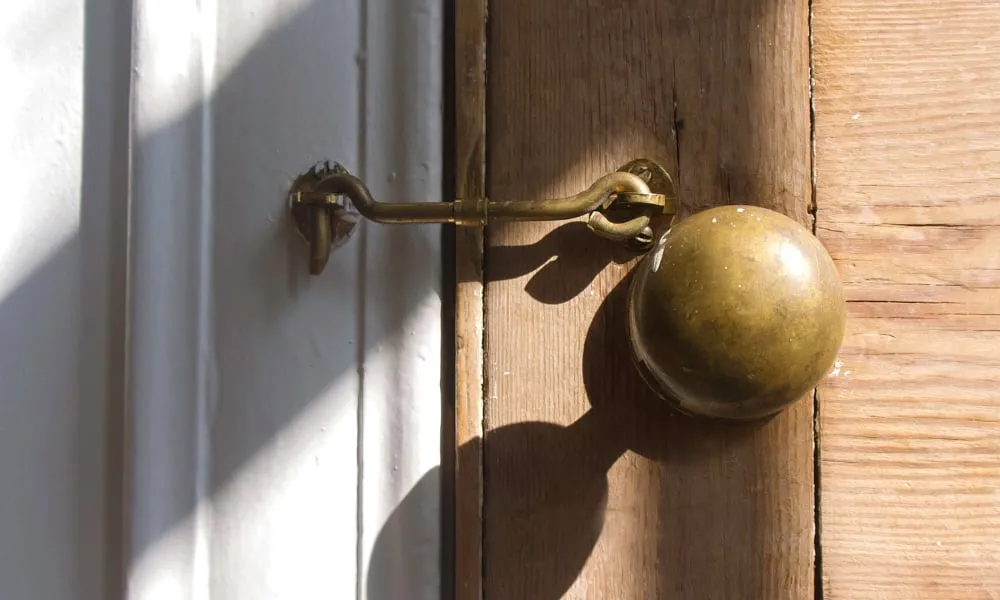
Some households simply prefer the certainty of a key. Mechanical locks are familiar, straightforward, and do not need updates or batteries. For people who value simplicity above convenience, traditional locks remain a solid choice.
Installation Matters More than the Lock Itself
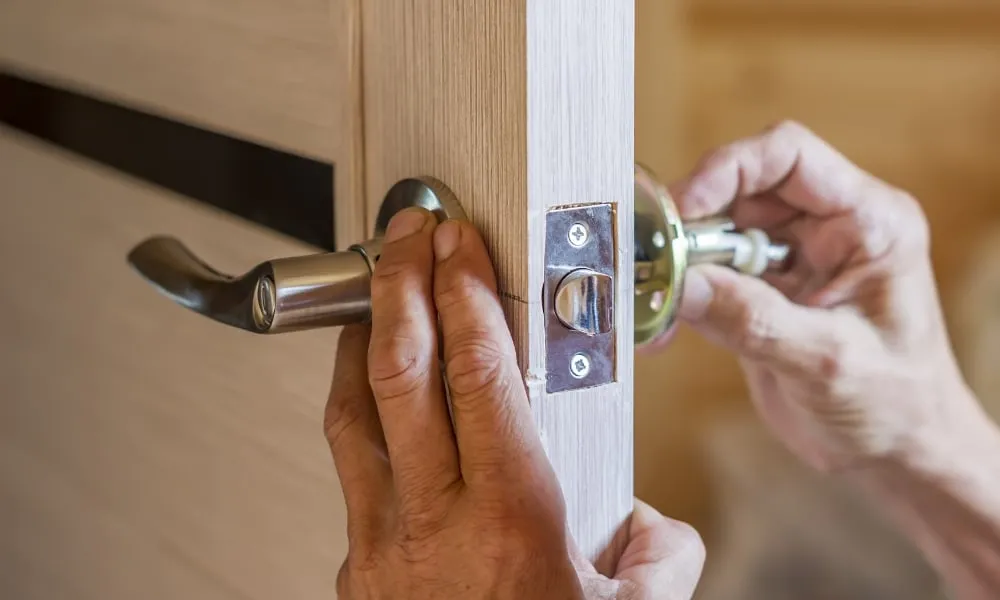
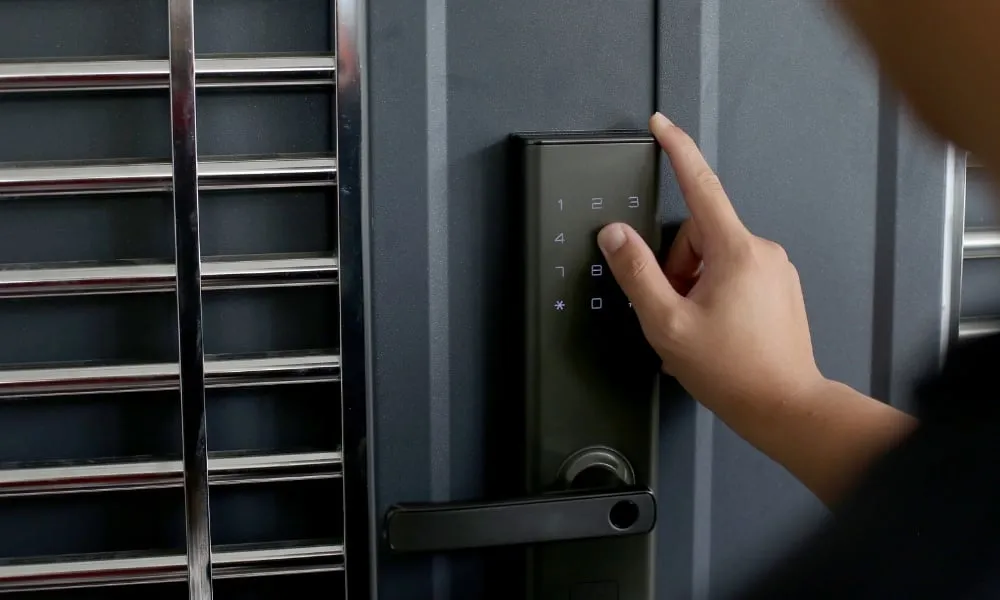
A smart lock is only as reliable as its installation. Poor alignment, incorrect fitting, or forcing a lock onto an unsuitable door can cause ongoing problems.
This is why many homeowners choose professional installation when upgrading. An experienced locksmith can ensure the lock is fitted correctly, test all access methods, and explain how to use it without confusion.
If you are considering a smart lock upgrade, it is worth speaking with Ambassador Locksmiths. They handle smart lock installation and upgrades and can advise on models that suit Australian doors and household needs. Proper installation reduces future issues and helps the lock perform as expected.
So are Smart Locks Worth it for Australian Households
Smart locks are worth it when they match how your household lives. Homes with busy schedules, frequent visitors, or a desire for flexible access tend to get the most value. The ability to manage entry without keys and adjust access quickly can genuinely make daily routines smoother.
They are less appealing for households that want minimal maintenance, have connectivity issues, or prefer a purely mechanical solution. In those cases, a well installed traditional lock still offers dependable security.
The best approach is not choosing smart or traditional based on trends, but on how you use your home and what level of control you want at the front door.
Making the Right Call for your Home
If you are unsure which option suits your property, getting local advice makes the decision easier. A locksmith who understands Australian housing styles and security needs can walk you through both smart and traditional options.
For homeowners in Newcastle and surrounding areas, the team at locksmithsnewcastle.au can help assess your current locks, discuss smart lock upgrades, and recommend a setup that fits your household without unnecessary complexity.
Frequently Asked Questions
Do smart locks work during power outages?
Yes. Smart locks run on batteries, not mains power. A blackout will not stop the lock from working.
Can smart locks be hacked easily?
Quality smart locks use encrypted communication. While no system is perfect, most risks come from poor installation or weak passwords rather than the lock itself.
Are smart locks safe for rental properties?
They can be, but it depends on the lease and the lock type. Some landlords prefer smart locks with removable access, so keys do not need to be reissued.
Do smart locks replace the need for a deadbolt?
Some models include a deadbolt mechanism, while others work with an existing deadbolt. A locksmith can confirm what suits your door best.
Is professional installation necessary?
While some smart locks are DIY friendly, professional installation reduces alignment issues, ensures proper security, and helps you get the most out of the features.
If you want advice that suits your home rather than a one size fits all answer, speaking with a local locksmith is the best next step.