When it comes to securing your home or property, the decision between rekeying your locks or replacing them entirely can feel confusing. Both options aim to improve security, but they suit different situations.
Understanding Rekeying and Lock Replacement
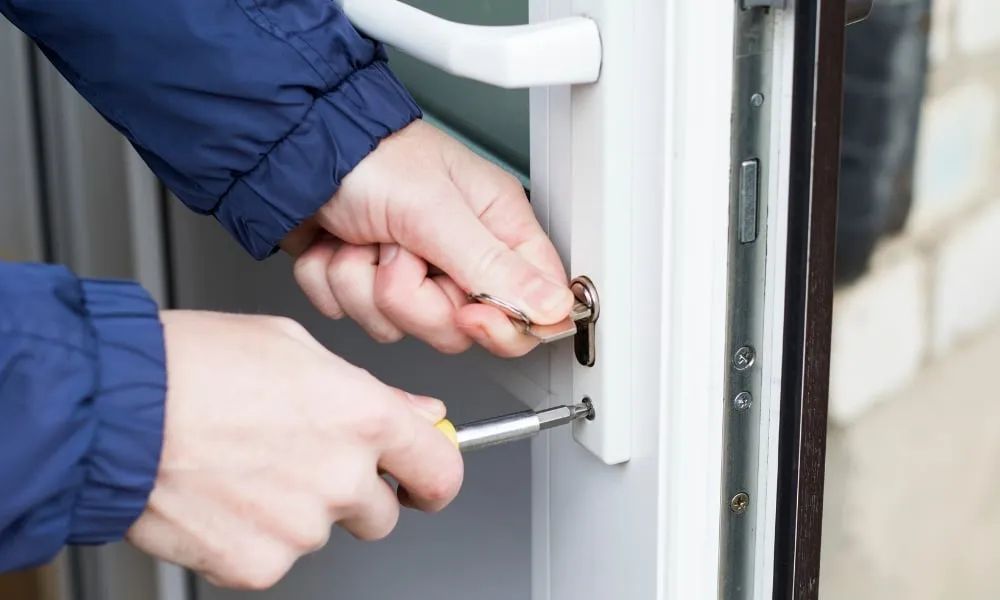
Rekeying means changing the internal pins of your existing locks so that old keys no longer work. The lock itself stays in place, but it can now be operated by a new key.
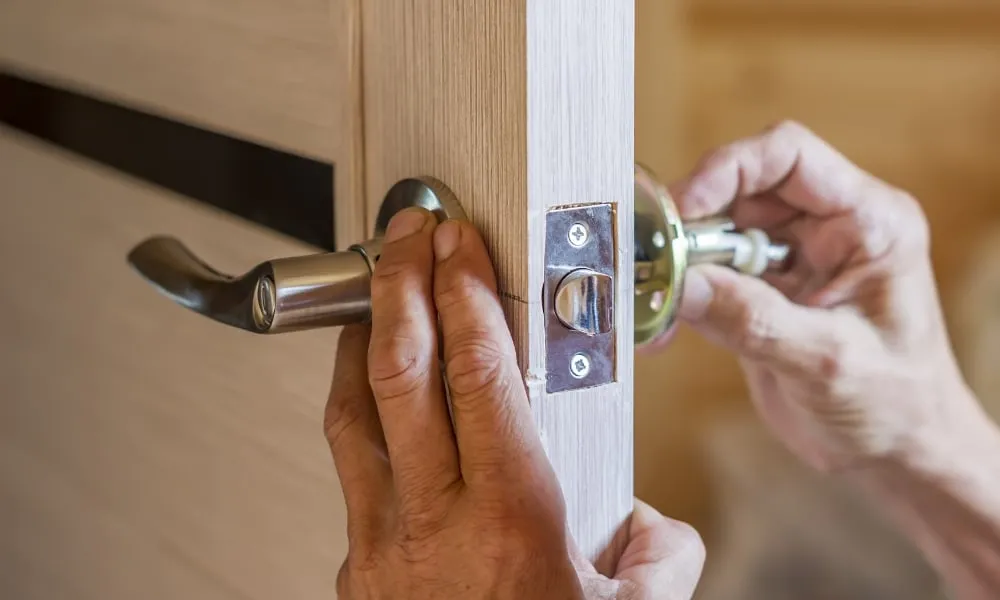
Lock replacement involves removing your existing lock and installing a completely new one. This includes the lock body, cylinder, and sometimes the door handle or deadbolt mechanism.
When Rekeying Makes Sense
Rekeying is often a cost-effective solution in several common situations:
Moving into a new home
If you’ve just purchased a rented property, rekeying ensures that previous owners or tenants no longer have access. It’s a simple precaution that doesn’t require buying new locks.
Lost or stolen keys
Misplacing keys can be stressful, especially if you fear someone might find them. Rekeying renders the lost key useless, giving you peace of mind without the expense of full replacement.
Managing rental properties
Property managers often rekey locks between tenants. This keeps the property secure without having to replace all locks every time a tenant moves out.
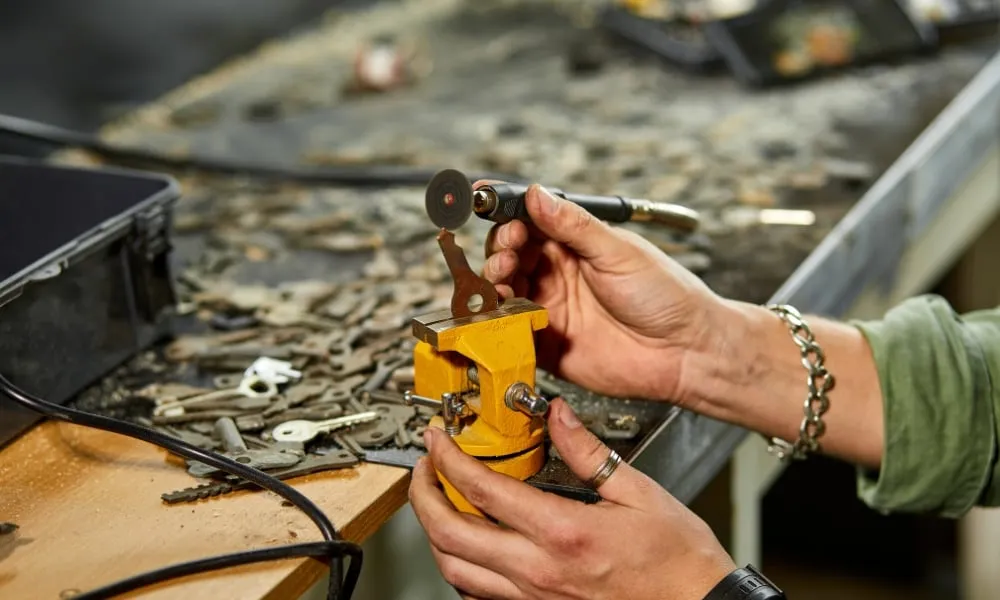
Situations Where Lock Replacement is Better
While rekeying works for many scenarios, replacing locks may be the safer or more practical option in others.
Old or Worn Locks
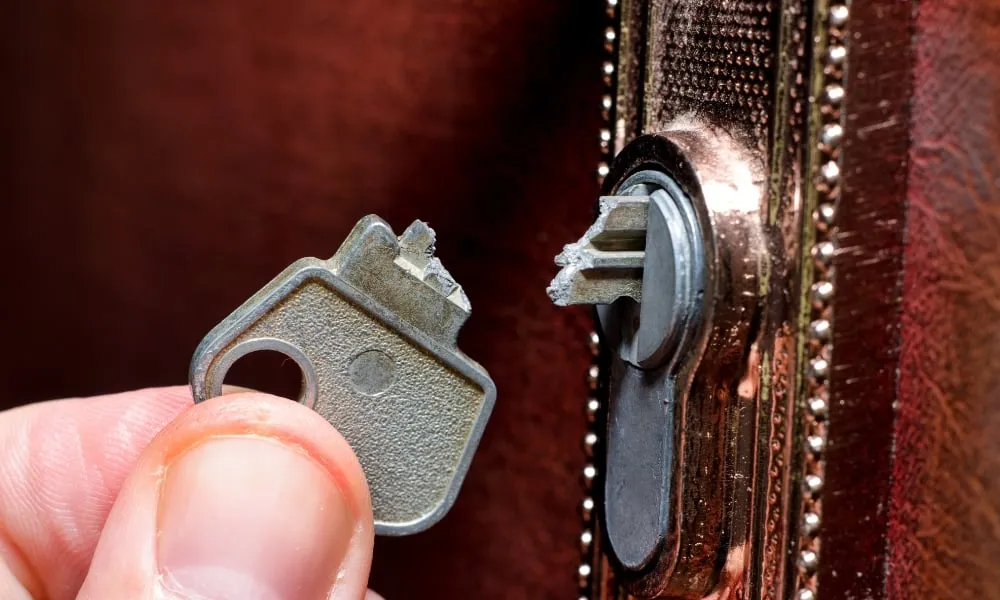
Locks that are damaged, rusted, or outdated may not provide sufficient security even after rekeying. In this case, replacement ensures a stronger, more reliable lock.
Upgrading Security
If you want to upgrade to a high-security to a high-security lock or smart lock, replacement is the only option. Modern locks often offer features that cannot be added to existing locks through rekeying.
After a break-in
If someone has forcibly entered your property, replacing locks i s the safest route. Rekeying may not fix underlying damage or compromised mechanisms.
Cost Comparison
One of the main factors people consider is cost.
- Rekeying usually costs less than replacing a lock, with the price depending on the complexity of the cylinder.
- Replacement involves the cost of the new lock plus installation, which rises for premium or smart locks.
Choosing rekeying over replacement can save money, especially if your locks are still in good condition.
Practical Considerations
When deciding between rekeying and replacing, keep these points in mind:
- Security needs: Assess if your current locks are reliable or outdated.
- Time and convenience: Rekeying is faster and less disruptive than full replacement.
- Budget: Rekeying is cheaper upfront, but replacing might offer longer-term benefits.
- Access control: If you need multiple locks to operate with one key, rekeying can often achieve this without replacement.
Service Recommendation
For homeowners and property managers in Newcastle looking for professional lock services, rekeying is a practical option. You can check out Ambassador Locksmiths’ rekeying service for reliable and fast solutions here. They provide skilled technicians who can handle both rekeying and replacement depending on your needs.
Making the Decision
To decide between rekeying and replacement, consider your situation:
- For recently moved homes, lost keys, or rental turnovers, rekeying is often sufficient.
- For old, damaged, or high-security requirements, lock replacement provides the extra protection you need.
- Factor in budget and urgency to choose the most practical approach.
Frequently Asked Questions
Can all locks be rekeyed?
Most standard locks can be rekeyed, but some older or specialised locks may require replacement.
How long does rekeying take?
Typically 15–30 minutes per lock depending on complexity and type.
Is rekeying more secure than replacing locks?
Rekeying is secure for most situations, but replacing locks is safer for damaged or high-security needs.
Can I rekey locks myself?
It is possible with the right tools and knowledge, but professional locksmiths ensure it is done correctly and quickly.
How often should I consider rekeying or replacing?
Consider it when moving, after lost keys, or if your locks show signs of wear or compromise.
Choosing the Right Option for Peace of Mind
Both rekeying and replacing locks have their advantages. Rekeying offers a budget-friendly, quick solution to prevent unwanted access. Replacement guarantees the highest security for old or compromised locks. By assessing your situation and consulting a trusted locksmith, you can secure your property without unnecessary expense.
For professional help in Newcastle, visit Ambassador Locksmiths’ rekeying service to ensure your home or property remains safe and accessible.